07.09.2021 – Video – Plastic to Fuel – Pyrolysis Reactor – Produce your own diesel and gasoline for OffGrid living.Part 2
Part 2 of the Pyrolysis Video Series : TestReactor




Part 2 of the Pyrolysis Video Series : TestReactor
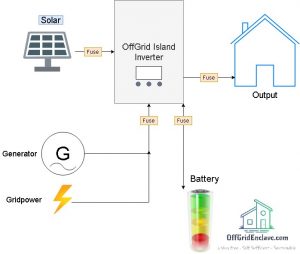
Community requested information with often asked details about “getting Houses with existing grid power OffGrid” bundlet into a short HowTo. https://offgridenclave.com/2021/09/04/how-to-add-a-offgrid-solar-system-to-a-house-that-already-has-grid-power/
Sharing is caring.
Enjoy your day and make it count !
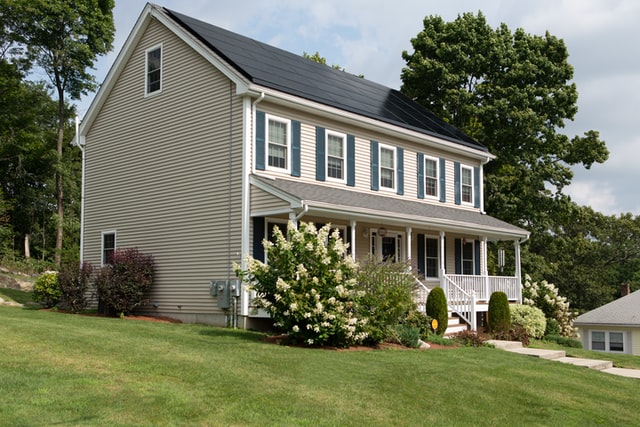
Seuraava tilanne on hyvin yleinen. Täältä löydät mielenkiintoisia OffGrid- ja omavaraisia asumisprojekteja referenssiksi tai tutkimukseksi, ja useimmille ihmisille puoliksi kaupunkiympäristössä tämä on todennäköisin skenaario: Talossa on jo verkkoyhteys. miten haluat aurinko- saada tarvittaessa mahdollisuus olla omavarainen, sekä säästää huomattavasti sähkökustannuksissa.
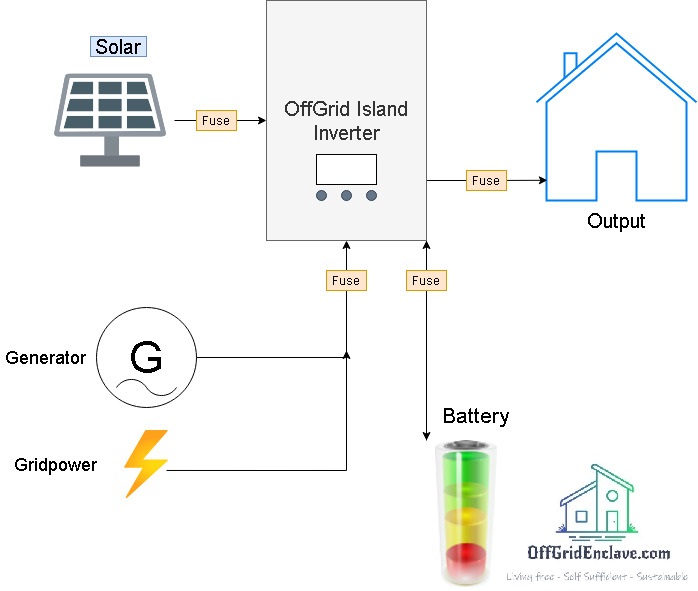
Helpoin ratkaisu tähän on OffGrid Island -asetus grid-tuloliitännällä. Pohjimmiltaan se tarkoittaa omavaraisen aurinkokunnan rakentamista a akku, käyttää OffGrid-AllinOne-yksiköt kytkeäksesi nykyisen verkkovirran järjestelmään. Tämä mahdollistaa myös bensiinin helpon liittämisen generaattori.
On 2 OffGrid-AllinOne-yksiköiden päätyypit.
OffGrid Islandin invertterit ruudukon syöttövaihtoehdolla ja Hybridi-invertterit.
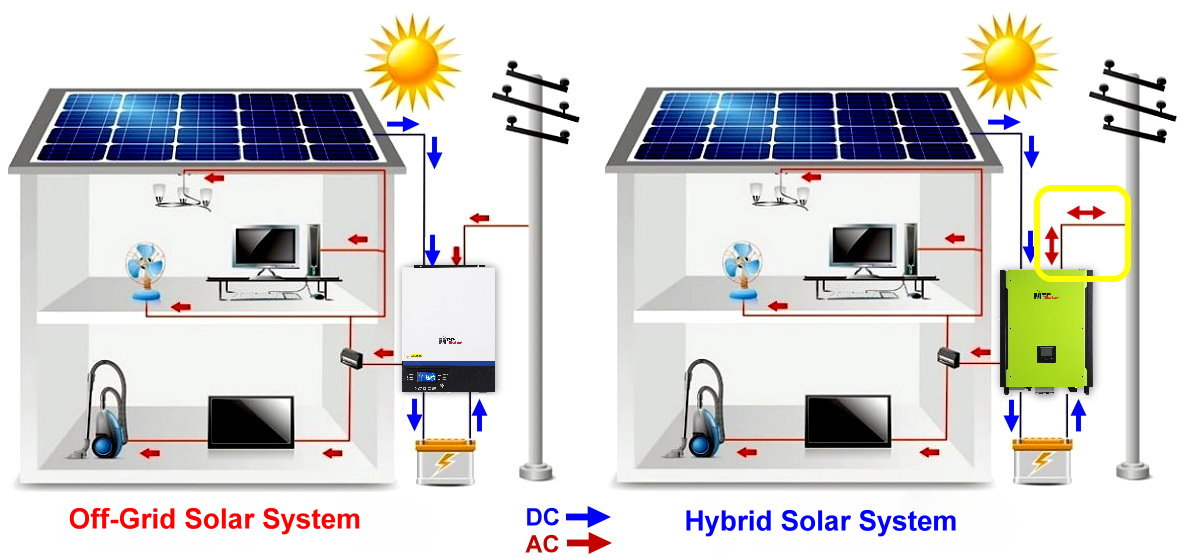
” Molemmat järjestelmät pyrkivät maksimoimaan aurinkoenergian käytön, Niiden tärkein ero on tavassa, jolla ne käsittelevät energian varastointia. Vuonna an Off-Grid aurinkokunta, invertteri yrittää käyttää aurinkoenergiaa "omakäyttöön" lähettämällä sen suoraan lataukseen tai käyttää sitä akun lataamiseen. Jos aurinkosähköä on liikaa, mitään ei tehdä, koska energian varastointiin ei yksinkertaisesti ole enää tilaa.
Toisaalta, a Hybridi aurinkokunta yrittää silti maksimoida energian käytön lataamalla tai lataamalla akkua, ja ylimääräinen teho yksinkertaisesti "syötetään" verkkoon, jotka toimivat lähes rajattomana virranvarastona. “(1)
Monissa maissa aurinkosähkön syöttäminen verkkoon hybridi-invertterillä vaatii jonkinlaista paperityötä ja laillisia lupia.. Muista tarkistaa oikeudellinen tilanteesi ennen hybridi-invertterin asentamista.
OffGrid Island -asennuksen käyttäminen grid-tuloliitännällä on usein helpoin ratkaisu, koska olemassa olevaan taloon ei tarvitse koskea sähköä asentaakseen ja käyttääkseen sitä. Verkkosyöttö voidaan tehdä tavallisella pistokkeella. Yksi yksinkertaisesti kytketään OffGrid Island -kokoonpano talon olemassa olevaan sähköjärjestelmään kuten mikä tahansa muu kodin laite.
Käyttämällä jotakin näistä laitteista on myös helppoa saada saumaton takaisin verkkovirtaan, jos aurinkosähköä ei ole ja akku on tyhjä.. Useimmissa OffGrid Island -inverttereissä on yksityiskohtaiset konfigurointivaihtoehdot ensisijaisessa virtalähteessä, varalähde ja niin edelleen.
Tässä videossa kerrotaan Mpp-Solar OffGrid Island -invertterin määritysvaihtoehdoista. Useimmilla muilla kiinteillä merkeillä, kuten Victron, on samanlaiset vaihtoehdot, mutta mahdollisesti erilaiset sovellukset vuorovaikutukseen.
Jos sinulla on kysyttävää, ideoita tai panosta älä ole ujo…. liity joukkoomme Erityiset kiitokset OffGridEnclave-yhteisön jäsenelle Sylfixille kuvien ja tietojen esittämisestä tämän projektina.

(1) Lähde: https://www.mppsolar.com/v3/product-overview/