Jídlo
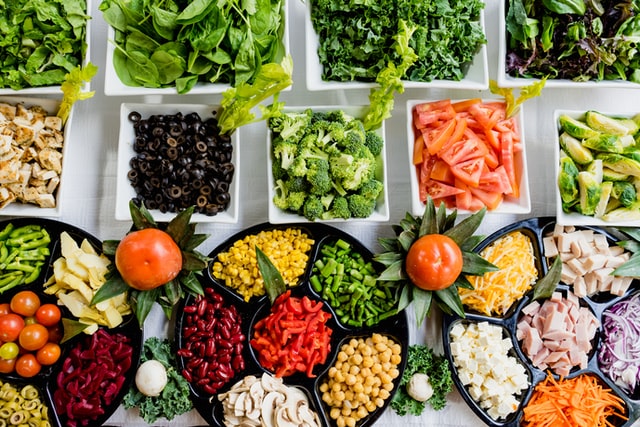
Living OffGrid offers a variety of food production methods.
This does not mean you need to live of your land all the time, but you should have the option to do so if necessary. Feeding a bigger family that way can be a challenge at first. Start small and easy, then scale it up slowly.
Growing
You can grow all sort of vegetables, fruits, herbs, mushrooms and cereals. Local climate and conditions can be enhanced with greenhouses and watering systems. What exactly you can grow and what will provide a reasonable harvest is highly subject to your location. Adjusting to the local culture is the smart choice.
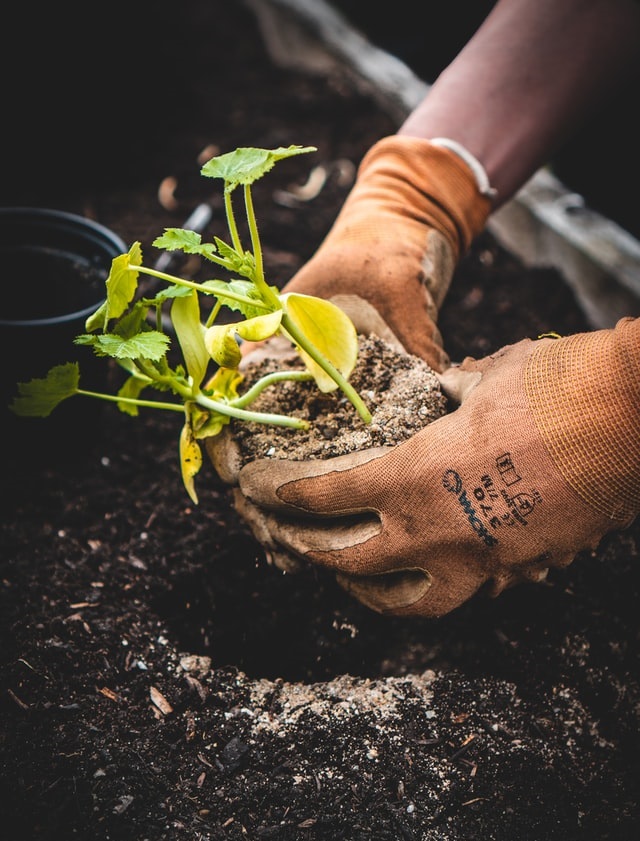
Basic Vegetable Growing Guide
1. Choose the right location
Choose a location for the garden that has plenty of sun, ample space and close proximity to your hose or water source. Find a level area to help prevent erosion.
2. Select your veggies
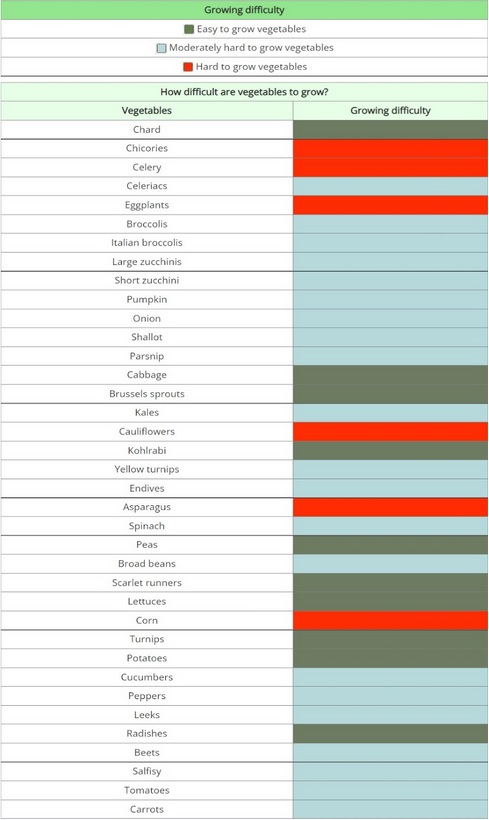
Decide what produce to include based on your climate, space, tastes and level of expertise. Newcomers may want to consider some of the easier crops to grow, like carrots, beans, cucumbers, peppers and lettuce.
3. Prepare the soil
Mix compost and natural fertilizers into your garden to condition the soil for your plants. Garden-supply stores can test the acidity of your soil and recommend supplements, or you can simply purchase specially made soil in bulk.
4. Check planting dates
Growing conditions and ripening cycles are different depending on the plant and the season, so you should not sow all the seeds at the same time. Planting dates can be found on seed packets. Review the ideal conditions for each veggie you want to plant.
5. Plant the seeds
Place your seeds or plants into the soil, following the depth and spacing directions carefully.
6. Add water
Gently spray the garden with water to keep the soil evenly moist throughout the growing season. Purchase a spray nozzle for your hose so you can create a gentle rain-like mist for your garden.
7. Keep the weeds out
Mulching is the most effective way to prevent weeds. Add a 2- to 4-inch-thick layer of organic mulch to your garden to keep the weeds from overtaking your crops. If weeds do appear in the garden, grab them low on their stems and yank sharply, making sure to extract the entire root.
8. Give your plants room to grow
Check the spacing recommendations on the seed packets and be sure to remove crowded seedlings right away.
9. Fertilize as needed
Lightly till the soil by hand and add fertilizer to keep it rich. You can purchase prepared garden fertilizer or make your own from items like Epsom salt, eggshells, fish tank water and kitchen compost.
10. Harvest
Harvest vegetables when they’re young and tender, but only pick them when you plan to use them. Pull root crops as soon as they reach edible size. Collect leaf crops by cutting them to within 2 palce (5 cm)of the ground. Finally, enjoy your harvest!
Vegetable growing difficulty
Bobule.. Jednoduchý, Zdravý, Chutný !
Detailed Project Post about: Bobule.. Jednoduchý, Zdravý, Chutný !
Read more on -> Bobule.. Jednoduchý, Zdravý, Chutný !
Livestock
Aside from growing food, livestock is a viable option.
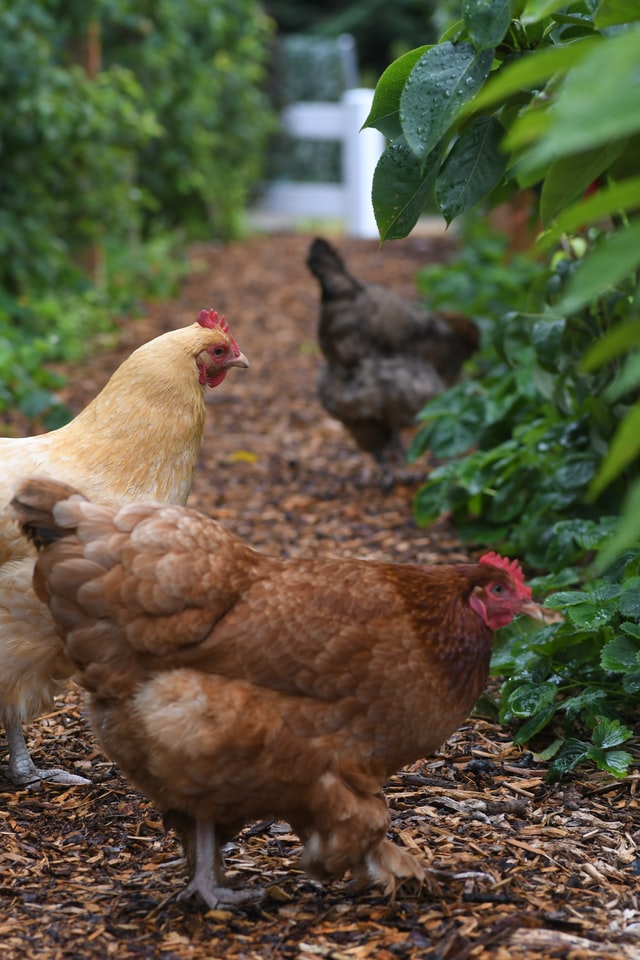
These can range from “easy and about no work” rabbits to “complex, challenging and many man hours” Cows. Kuřata, Ducks, Goose, and Rabbits are a good choice. They provide quality meat in small portions, no need to worry about cooling 400kg of steak for the next 3 měsíce. Their upkeep can usually be sourced from your local land. These are rather safe, even to very young children and the slaughtering is not complicated as with larger animals.
Microgreens
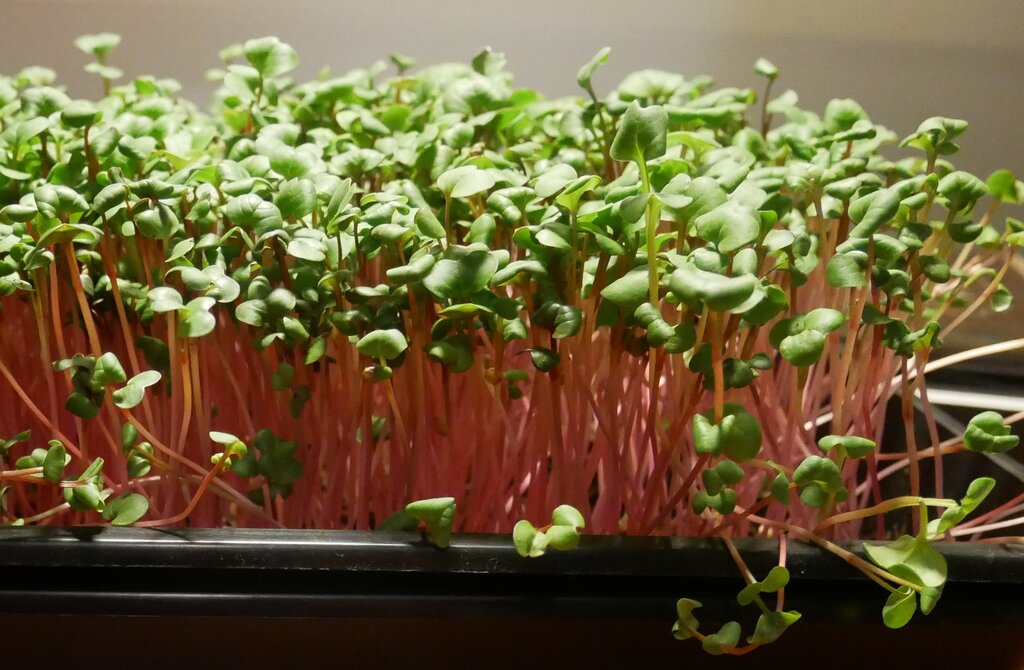
Microgreens jsou zeleninová zelenina, která se obvykle pěstuje pouze týden nebo dva, until the stage of děloha listy se vyvinuly nebo první sada pravé listy.
Rostou opravdu snadno i pro začátečníky a nevyžadují mnoho. V zásadě potřebujete nějaký talíř / misku s nějakým druhem média od půdy až po jen kousek papíru a vodu. Také potřebujete semínka a světlo.
Here is a great example of a basic microgreen project.
Food Storage
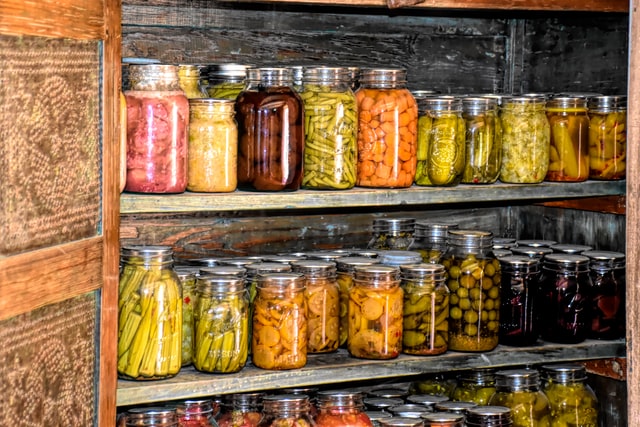
A lot of factors affect the shelf life of food: heat, light, humidity, and so forth. The most important factor however is the food itself. Some foods simply last longer than others, no matter the storage conditions. If need be food can last up to 30 years when stored properly. Food that is hermetically sealed in either cans, glass jars, or Mylar bags with oxygen absorbents have a longer shelf-life than the same foods that are conventionally packaged.
Food with long shelf-life
- Dried rice
- Dried kidney beans
- Dried pinto beans
- Dried black beans
- Dried pasta
- Salt
- Raw honey
- Sugar
- White vinegar, Apple cider vinegar
- Corn starch
- Soy sauce
- Pure vanilla extract
- Baking soda
- Chicken bouillon cubes and Beef bouillon cubes
- Raw cocoa powder
- Corn syrup
- Popcorn
- Instant dry potato flakes
- Oatmeal
- Tea bags
- Dried lentils
- Brown sugar
- Dried powdered milk
- Instant coffee
Food preservation
Food preservation is about the ways and means which help to preserve food. Food spoils from bacteria if it is not treated. Po tisíce let, humans have used methods of preserving food, so that they can store food to eat later. The simplest methods of preserving food, such as drying strips of fish or meat in the hot sun have been used for thousands of years, and they are still used today by indigenous peoples. The other ancient method is to use salt, and often drying and salting are done together.
Food is spoiled because microorganisms change it. There are five basic techniques which make food last longer:
1) Killing the microorganisms, or preventing them from multiplying
2) Contact of microorganisms with food is prevented
3) Certain additives prevent or slow the growth of microorganisms; this is often called curing
Usually several of the techniques are combined.
Methods of preserving food
Common ways of preserving food are:
- Heating the food or baking it (a hard corn-flour biscuit stays edible much longer than a bowl of fresh corn)
- Pasteurization: Louis Pasteur found that simply heating food kills most microorganisms and makes it last longer. Liquids such as milk are commonly pasteurized. nicméně, the heating has to be done precisely according to a procedure
- Converting the food into a longer-lasting form (například, fresh goat’s milk can be converted into cheese or yogurt, which lasts much longer than fresh milk)
- Pickling: putting vegetables, meat, or fish in salty water (brine). Salting the food: Covering it with dry salt
- Putting the food in a jar with alcohol (ethanol) or vinegar, also called pickling
- Putting large amounts of sugar into the food (například, as with jam or fruit jarred in sugar and water)
- Drying in the sun or in an oven
- Smoking the food with the smoke from burning wood. Usually, this is done to food that was salted first.
- Keeping the food cold or frozen, including freeze-drying
- Adding other preservatives such as sorbates (sorbic acid), sulfides and nitrites.
(1) https://simple.wikipedia.org/wiki/Food_preservation